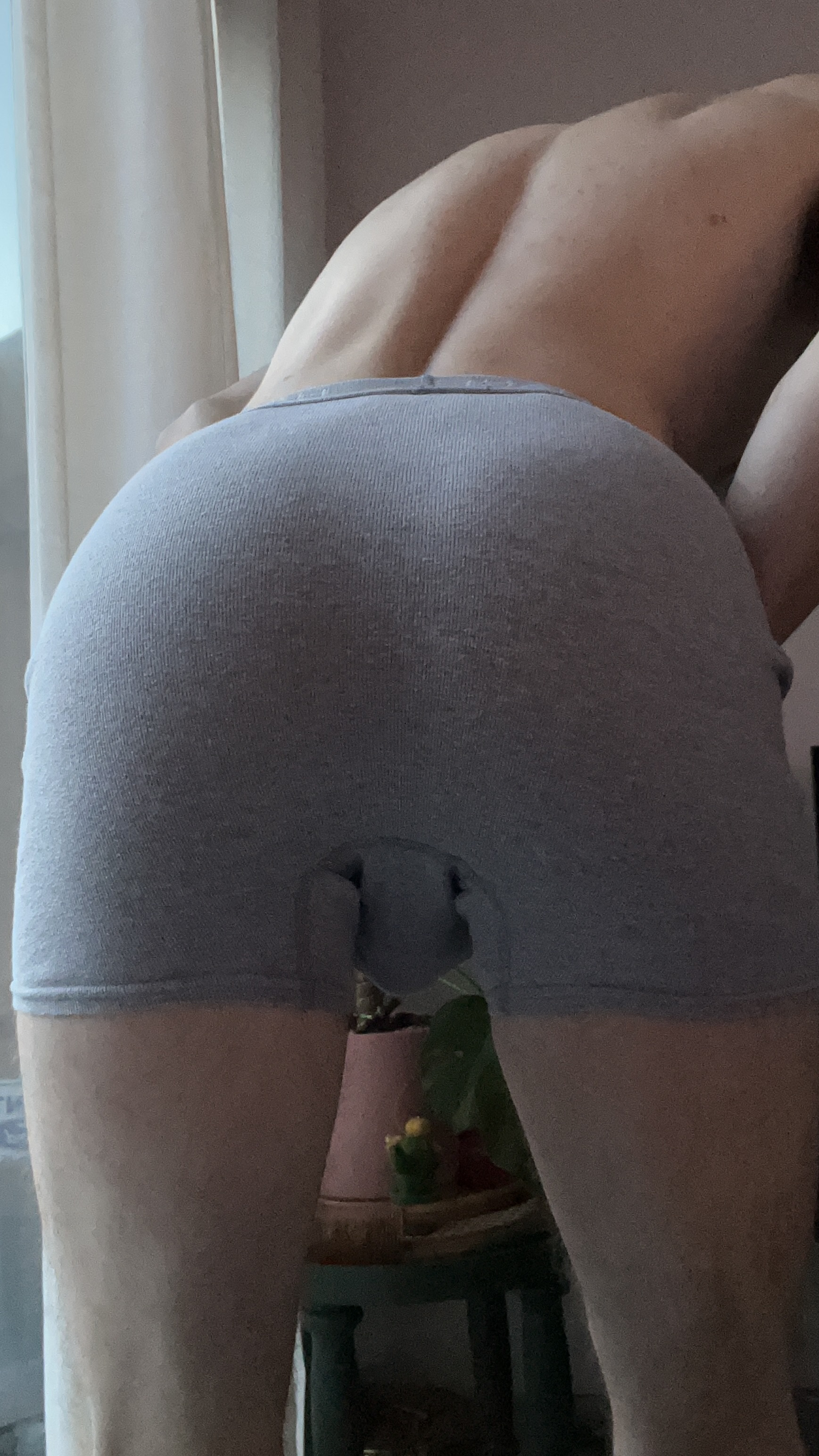
Culturally, perceptions of buttocks vary across societies and historical periods. In some cultures, fuller or larger buttocks are celebrated as a symbol of attractiveness and fertility, while in others, beauty standards may emphasize different body proportions. The aesthetics of the buttocks have played a role in art, fashion, and popular culture, with trends such as the appreciation of a curvier silhouette in certain periods.Fashion has also contributed to the emphasis on buttocks, with clothing styles designed to enhance or draw attention to this area. From form-fitting jeans to lingerie and swimsuits, fashion trends often highlight the curves of the buttocks, reflecting societal ideals of beauty and desirability.In contemporary times, discussions around body positivity and acceptance challenge traditional beauty standards, promoting self-love and appreciation for diverse body shapes and sizes. The perception of buttocks, like other body parts, is increasingly being redefined to embrace natural variations and promote inclusivity.In summary, the buttocks serve essential physiological functions, and their cultural significance extends to notions of beauty, fashion, and body image, with evolving perspectives shaped by societal trends and attitudes.
Glutes
part of the butt
2023